Featured
Table of Contents
Picking a Content Management System (CMS) is a complicated procedure. With choices varying from DIY platforms like Squarespace to enterprise-grade SaaS services like Drupal, the process can feel frustrating. However there are ways to improve your odds of making an effective CMS selection. And by "successful," we mean: The lowest-cost CMS is seldom the very best option.
Focus on the functions you'll use most day to day. Many non-trivial websites will require complex features and professional application.

The vendor and CMS platform has actually been there and done that. Let's start by evaluating the types of CMS platforms readily available today.
Exploring New Emerging Era of Search
These cater to large enterprises with substantial content management requires, featuring innovative functionalities like headless CMS and data management with import/ export functions. Examples: Sitecore, Adobe Experience Supervisor, Titan CMS Your service size and site intricacy are the first elements for identifying the type of CMS and the type of supplier you will need.
Your website is your best salesperson and finest online marketer personified. What knowlege is in the heads of your finest people? Your website should make this knowledge offered and accessible.

With a strategy in hand, contact CMS vendors and request demonstrations revealing the crucial functions that match your requirements. Assess the assistance and training offered. Assistance and training are crucial for a successful implementation and for your moving forward relationship. With your list of finalists, revist the functions that you believe will be your crucial decision points.
Using Server-Side Rendering to Improve Search RankingsIt your request is intricate, deal to pay a little charge to reveal that you are serious. Based upon your evaluations and general needs, you'll be well-positioned to select the CMS that best fits your organization requirements. But don't make your decision without keeping these secrets to successful CMS choice in mind throughout your choice process.
We have actually seen direct what works and what doesn't, and we desire to ensure you wind up making the finest choice for your unique needs. When following the actions outlined above, keep these insider suggestions in mind: Your website/UX method need to direct your CMS vendor selection. Without it, you're truly just guessing.
Optimizing Online Visibility With AI Trends
Excellent CMS systems and the teams behind them help with excellent UX. CMS vendors will state they can do everything you require, so you must show them rather.
The understanding and experience of your CMS team can make all the distinction. Understanding what functions you need is important.
Vendors will say they can do all of it, and these lists won't expose the distinctions that really matter. Visual charts with high-level contrasts of popular CMS systems feel oh-so pleasing. They make choice seem cool and neat, however in truth, they do not represent nuances. Use them for preliminary research study just.
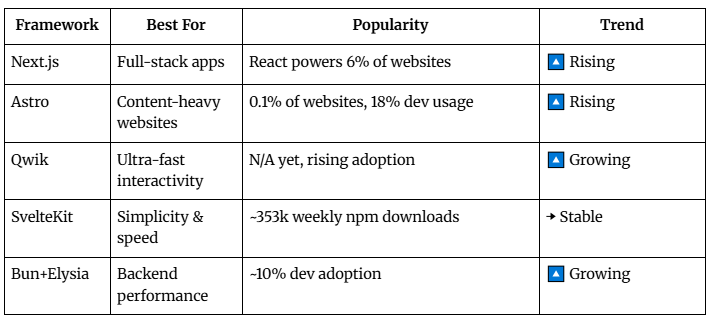
By understanding the complexities of CMS platforms and engaging with suppliers effectively, you can make an educated decision that aligns with your long-term digital goals. Above all, start your CMS selection equipped with a strategy to guide you. With the right method, the best CMS, and the right supporting vendor, business can enhance their digital existence, enhance content management processes, and enhance overall operational effectiveness.
The Strategic Impact Behind Headless Architecture
We have actually led dozens of companies through the CMS choice procedure and can help you make the ideal option, too.
Choosing the right Content Management System (CMS) for your site is crucial for success in 2024. Determine content management requirements: text, images, videos, user functions, and so on. Modification, scalability, security User-friendly user interface Robust material editing tools Personalization options Mobile responsiveness SEO support Security and routine updates Active neighborhood support Hosting Choice Description Pros Tricks Self-Hosted Full control over facilities and data Modification, flexibility Needs technical abilities, maintenance Cloud-Hosted Site hosted on remote server Easy to utilize, scalable Minimal control, security issues Handled Hosting Provider handles technical elements Balance of control and maintenance Greater costs, restricted scalability Inspect official sources, paperwork, and resources Join user communities and forums for real feedback Try demo versions to evaluate features and use Get suggestions from experts and case studies Compare features, pricing, user-friendliness, and scalability side-by-side Weigh pros and cons, think about long-term expenses and discovering curve Get input from stakeholders and decision-makers Set up the CMS, migrate content, personalize, and train your team Preserve the CMS with routine updates, backups, and performance monitoring By comprehending your requirements, assessing CMS types and functions, considering hosting and prices, and completely looking into options, you can select the finest CMS for your site in 2024.
Here are some crucial elements to consider: Identify the type of website you're building:: Requires robust content editing and categorization features.: Requirements payment entrances, stock management, and product catalogs.: Showcases your work and might need multimedia support. Various website types have varying CMS requirements. Assess the types of content you'll manage: Text, images, videos, etc.
Prepare for: Development Element Factors To Consider Increased Traffic Can the CMS manage more visitors without performance issues? Content Growth Will the CMS scale as your content grows? New Markets Does the CMS support multilingual material and localization? Emerging Technologies Can the CMS incorporate with brand-new technologies as they emerge? When selecting a Content Management System (CMS) for your website, you have several options.
Let's explore the various types to help you figure out the very best fit for your requirements. Traditional CMS platforms like WordPress, Drupal, and Joomla are the most common. They offer a vast array of features for modifying, publishing, and managing material. Conventional CMS platforms appropriate for websites that need: Customization Scalability Flexibility Highly personalized Scalable for growth Big user and designer community Extensive plugin libraries Steeper learning curve Needs technical abilities Can be resource-intensive Headless CMS platforms, such as Contentful and Strapi, separate the material management backend from the discussion layer.

Latest Posts
How AI Boosts Modern Search Performance
Selecting a Right CMS to Business Operations
Will Advanced Analytics Redefine B2B Sales Strategy?