Featured
Table of Contents
When services focus greatly on volume and sales velocity without equivalent attention to the client experience after the sale, it creates a disconnect. Customers feel like a number instead of a priority. Change begins much earlier than the majority of people realize: It begins in marketing It continues through the sales process And it's enhanced through how customers are invited, supported, and directed For higher-ticket offers, specifically, some level of individual connection throughout the sales process is becoming increasingly important again.
Group information sessions, behind-the-scenes walkthroughs, and opportunities to ask questions live can provide clearness and self-confidence without frustrating your capability. As we progress, services that design their deals and delivery around real improvement will stand out in a congested market. Another trend that will continue to gain traction is the requirement for properly designed gateway deals.
They desire to construct confidence. Not just in you, but in themselves and their capability to follow through and get results. A gateway deal enables them to do exactly that. This is not about downselling or diluting your work. It has to do with producing a lined up entry point for the exact same audience you already serve, one that fulfills them where they are and constructs momentum.
Gateway uses a more steady, trust-based course into deeper work, and they support much healthier long-term growth. The era of overcomplicated funnels is continuing to unwind. Purchasers are tired of long, complicated sequences that feel inauthentic or manipulative. Easier flows are becoming more efficient, however with one important shift: customization and division matter more than ever.
It has to do with importance. This is where AI can be exceptionally effective when utilized tactically. When you can tailor messaging, material, and next steps based on somebody's goals, choices, and stage of awareness, the experience feels helpful instead of overwhelming. Companies that invest the time to develop personalized journeys will see higher engagement and more powerful conversion, even with easier total systems.
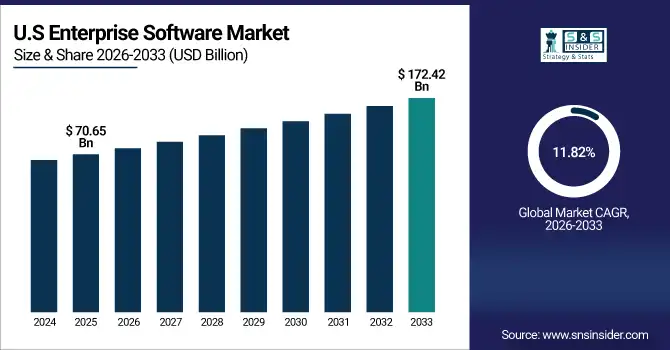
Expanding Enterprise Platforms for 2026
Business and leaders who grow will be the ones who comprehend how all the pieces mesh. They can examine context, recognize what matters most, and make decisions lined up with long-lasting objectives instead of short-term responses. Execution alone is ending up being easier to replace. Strategic thinking is not. This shift affects group functions, rates, and how knowledge is placed in the market.
January 15, 2026 12 minutesMarket shifts, technology disruptions, and increasing client expectations mount daily in 2026. Company owner and leaders face pressure as brand-new competitors transform industries nearly overnight. This post provides seven proven, actionable development techniques for business that drive genuine lead to today's unpredictable environment. Inside, you will find practical approaches for consumer engagement, innovation, operational quality, and more.
Organization leaders need to adjust quickly or run the risk of being left behind. Development strategies for company in 2026 are formed by synthetic intelligence adoption, standardized remote work, and shifting supply chains.
Success Frameworks to Accelerate Revenue by 2026
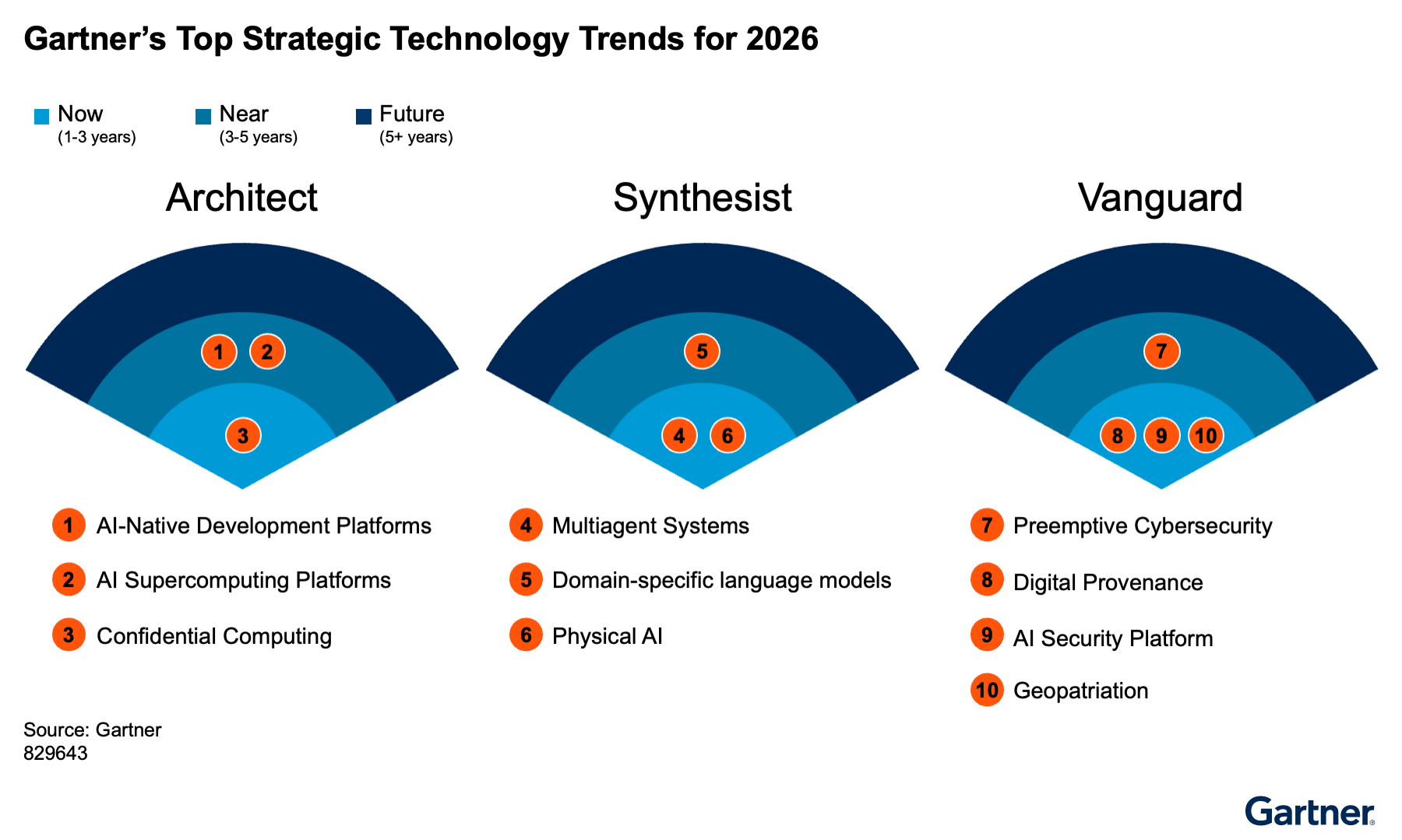
Digital-first experiences are obligatory, and clients demand smooth personalization. Competitors intensifies as start-ups and global brands aggressively get in new markets. Over 80 percent of business plan to improve digital financial investments this year. According to Gartner's Strategic Predictions for 2026, dexterity and versatility are now important for organizations pursuing sustainable development.
Rising costs and market fragmentation include intricacy, particularly in medical and home services sectors. These industries battle with operational ineffectiveness and stalled growth, typically due to outdated processes or absence of digital integration.

Getting rid of these challenges needs a disciplined, evidence-based approach. No single option guarantees success. Companies counting on just one technique typically fall short, while those welcoming multiple approaches outperform peers. Research study shows that integrating market growth with functional effectiveness yields remarkable outcomes. Companies that diversified into brand-new markets while simplifying internal operations regularly surpassed rivals.
Closing the Earnings Gap In Between Marketing and Sales GroupsBoosting Lead Generation via AI Tools
Lots of organizations establish enthusiastic plans, but just those focusing on real-world execution accomplish sustainable development. Rather than relying on unclear advice, organizations require actionable strategies and clear ownership.
The most effective organizations deploy techniques that are actionable, measurable, and shown in real-world circumstances. In 2026, market penetration implies deepening relationships with existing clients.
Leading organizations utilize data to produce innovative consumer division, allowing customized offers and targeted commitment programs. Starbucks continues to win by integrating benefits with mobile purchasing, producing smooth and tailored experiences. Business using data-driven personalization report over 20 percent higher repeat sales, showing the power of this method. Medical practices see outcomes by carrying out automated patient follow-ups.
The Role of GEO in Marketing Efforts
Artificial intelligence now automates much of this outreach, making sure prompt, relevant communication with minimal manual effort. Common mistakes consist of over-automation, which can make interactions feel impersonal, and ignoring consumer feedback. To avoid these, frequently review consumer data and carry out feedback loops. Introduce or improve commitment programs with tiered rewardsUse AI for personalized interaction based upon customer behaviorSegment customers for customized offers matching their purchase historyEncourage referrals with rewards that reward both partiesFor more actionable concepts, review these proven techniques to accelerate growth and see how genuine businesses construct deeper client commitment.
Closing the Earnings Gap In Between Marketing and Sales GroupsCompanies that consistently progress their product or services stay ahead of moving client needs and competitors. Tesla exemplifies iterative development, regularly upgrading vehicle functions based upon user feedback. Google expanded far beyond search by launching AdWords, transforming digital advertising forever. Gathering constant client feedback, quick prototyping and minimum practical product (MVP) launches, and routinely tracking market trends through data analysis.
With 60 percent of 2026 growth predicted from new offerings, the important is clear. ToolPrimary Use CaseImplementation TimeCustomer surveysFeedback collection and validation1-2 weeksRapid prototypingTesting brand-new concepts before full launch2-4 weeksTrend tracking systemsMarket need tracking and forecastingOngoingRisk management is essential. Balance vibrant moves with small pilots, and always determine outcomes. Prevent development for its own sake; concentrate on value creation and real consumer impact.
This dynamic approach spreads danger and opens brand-new income streams. Recognizing high-potential markets begins with data.

Latest Posts
How the Search Landscape Impacts Modern Marketing
The Role of AI in Future Search Results
Maximizing AEO Visibility in B2B Markets